
















Delavan SNA™ Siphon Type
Air Atomizing Nozzles: Engineered for Extremely Fine Spray Particles at Low Air Pressure.
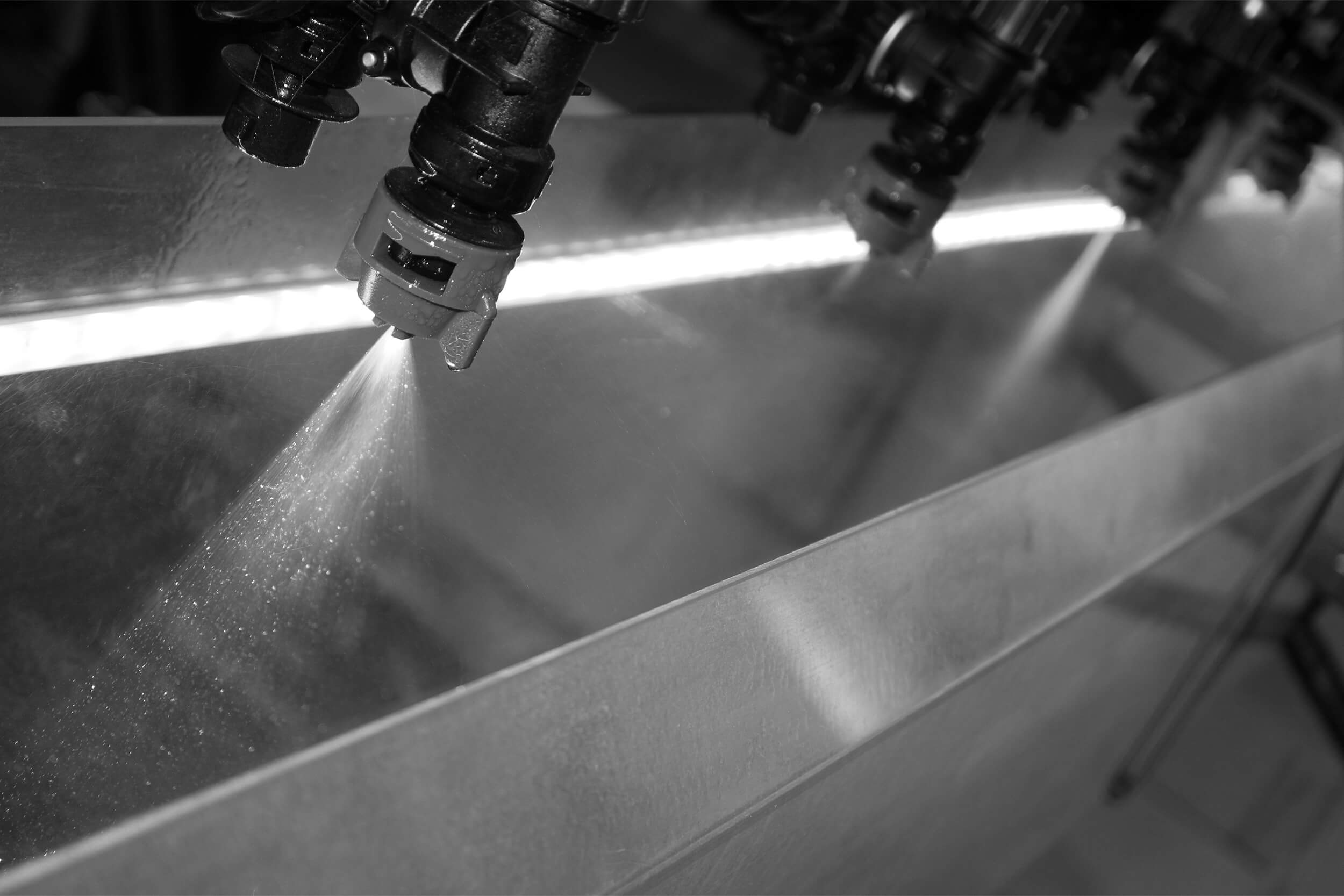
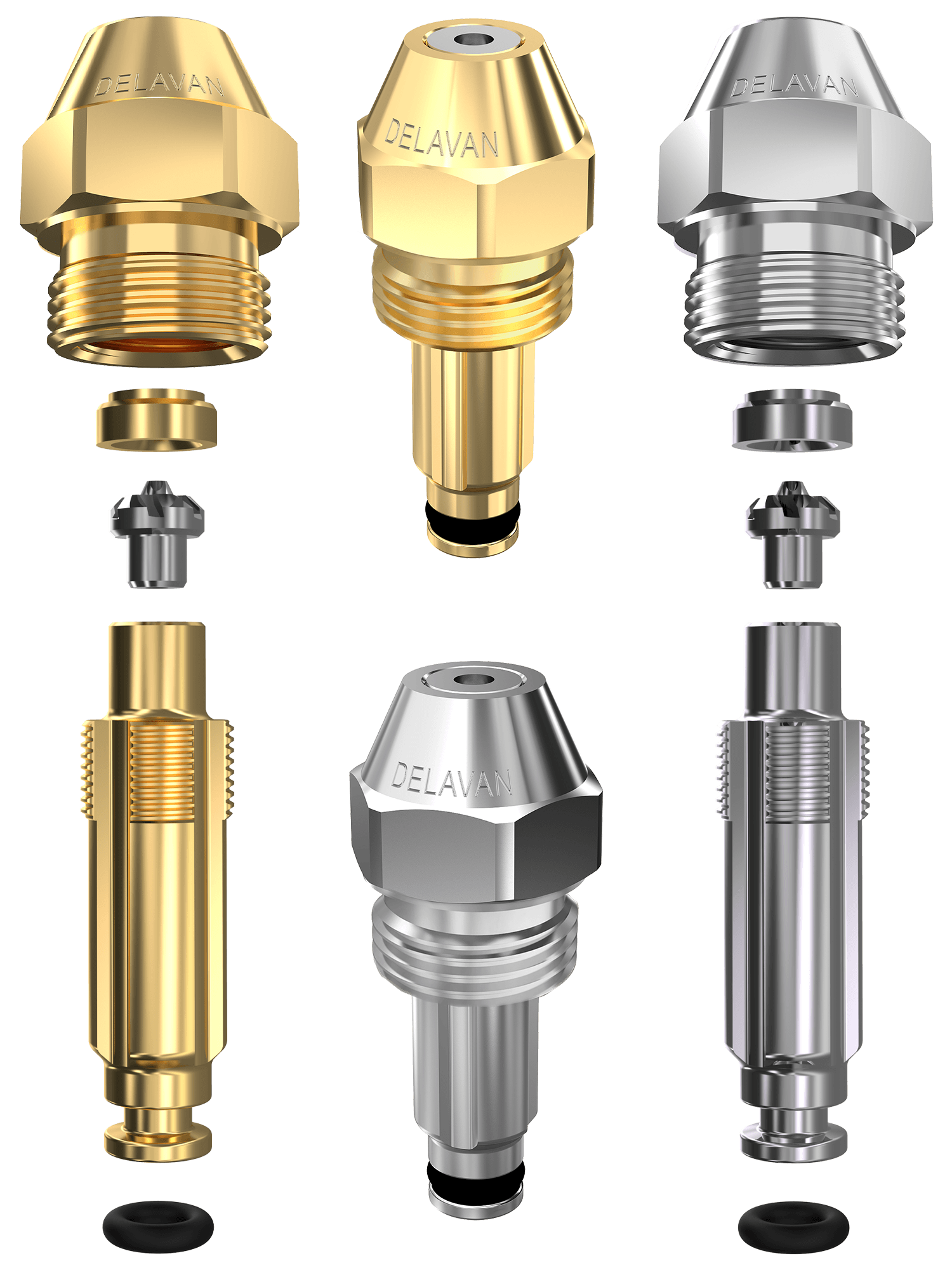
Delavan SNA™ Siphon Type Air Atomizing Nozzles are engineered to deliver a highly precise, solid cone spray pattern featuring an extremely fine particle size, even when operating at low air pressures and low CFM. Designed to permit excellent, efficient combustion with medium and heavy oils, this versatile two-fluid technology relies on tight mechanical principles to optimize fuel lifting and atomization. Whether operating via a traditional siphon-lift configuration, a fuel metering pump, or a fully closed pressurized system, the SNA™ series provides commercial heating technicians with a highly reliable, low-volume solution that handles heavier viscosity fluids without the risk of clogging.
Delavan SNA™ Siphon Type Air Atomizing Nozzles: How they Work
Multiphase Flow & Internal Atomization Geometry
The SNA™ series utilizes a two-fluid, internally mixing pneumatic design that relies on low-pressure compressed air as the energy source to lift, shear, and atomize higher-viscosity fluids without requiring high-pressure hydraulic pumping systems:
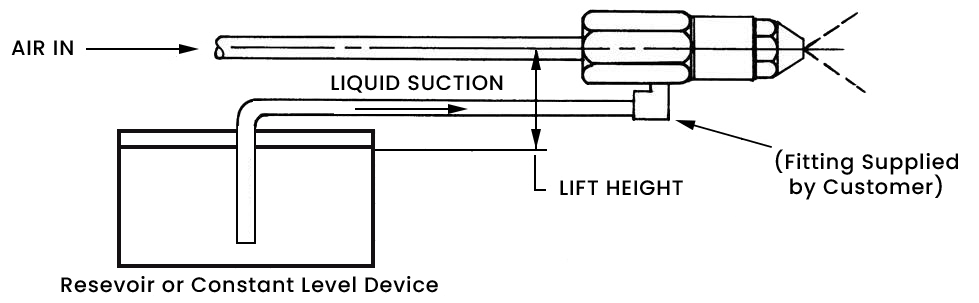
- Pneumatic Lift Mechanics (Venturi Principle): High-velocity compressed air is introduced coaxially through the center of the nozzle. This localized velocity spike generates a controlled pressure drop (vacuum) at the internal intersection of the fluid paths, creating the static suction head required to draw the medium or heavy oil upward through the fuel line.
- Energy Transfer & Internal Shearing: The siphoned fuel intersects the low-pressure air stream within a dedicated internal mixing chamber. Rather than relying on a restrictive hydraulic orifice to break apart the fluid, the kinetic energy of the compressed air physically shears the high-viscosity fuel.
- Two-Phase Solid Cone Distribution: This internal momentum transfer shreds the liquid boundary layer into an exceptionally fine, homogenous, two-phase mixture. As the mixture expands past the discharge orifice, it projects a stable, highly uniform solid cone spray pattern characterized by extremely fine particle sizes and low droplet SMD (Sauter Mean Diameter) even at low CFM thresholds.
Key Features & Benefits
Medium & Heavy Oil Compatibility: Specially engineered to permit high-efficiency combustion with medium and heavy oils that standard pressure nozzles cannot easily process.
Clog-Free Operation: Features relatively large internal passages and a generous orifice layout, ensuring dependable, clog-free performance during low-volume fluid delivery.
Low-Pressure Efficiency: Built to achieve maximum fuel atomization while operating under strict low air pressure and low CFM requirements.
Omnidirectional Mounting: Offers total installation flexibility with the mechanical capability to maintain a perfect, consistent flow in either a horizontal or vertical position.
Adaptable Flow Configurations: Features highly versatile deployment options—it can operate via standard suction lift, adapt to a closed pressurized system using air pressure for both lifting and atomizing, or pair with a fuel metering pump when a constant level device is not permitted by the application.
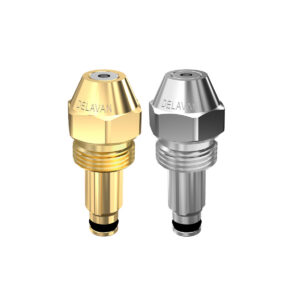
SNA™ Siphon Type Air Atomizing Nozzle produces a solid cone spray pattern with flow rates from 0.20 to 1.00 GPH (higher flow rates available on request) and spray angles from 70° to 90°.
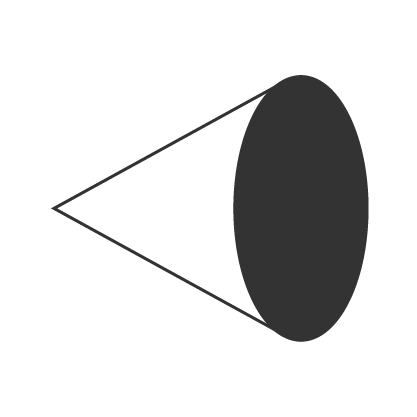 Solid Cone
Spray Characteristics & Advantages
Solid Cone Spray Pattern: Delivers a highly uniform, solid cone distribution that ensures an even, complete mix of fuel and air for optimal ignition.
Extremely Fine Particle Size: The advanced air-atomizing design shears heavy fluids into an exceptionally fine droplet size, resulting in a cleaner and more thorough burn.
Dynamic Modifiable Output: Technicians can actively fine-tune and modify flow rates, spray angles, and droplet sizes (within limitations) simply by introducing variations in air supply or siphon lift distance.
Installation and Troubleshooting
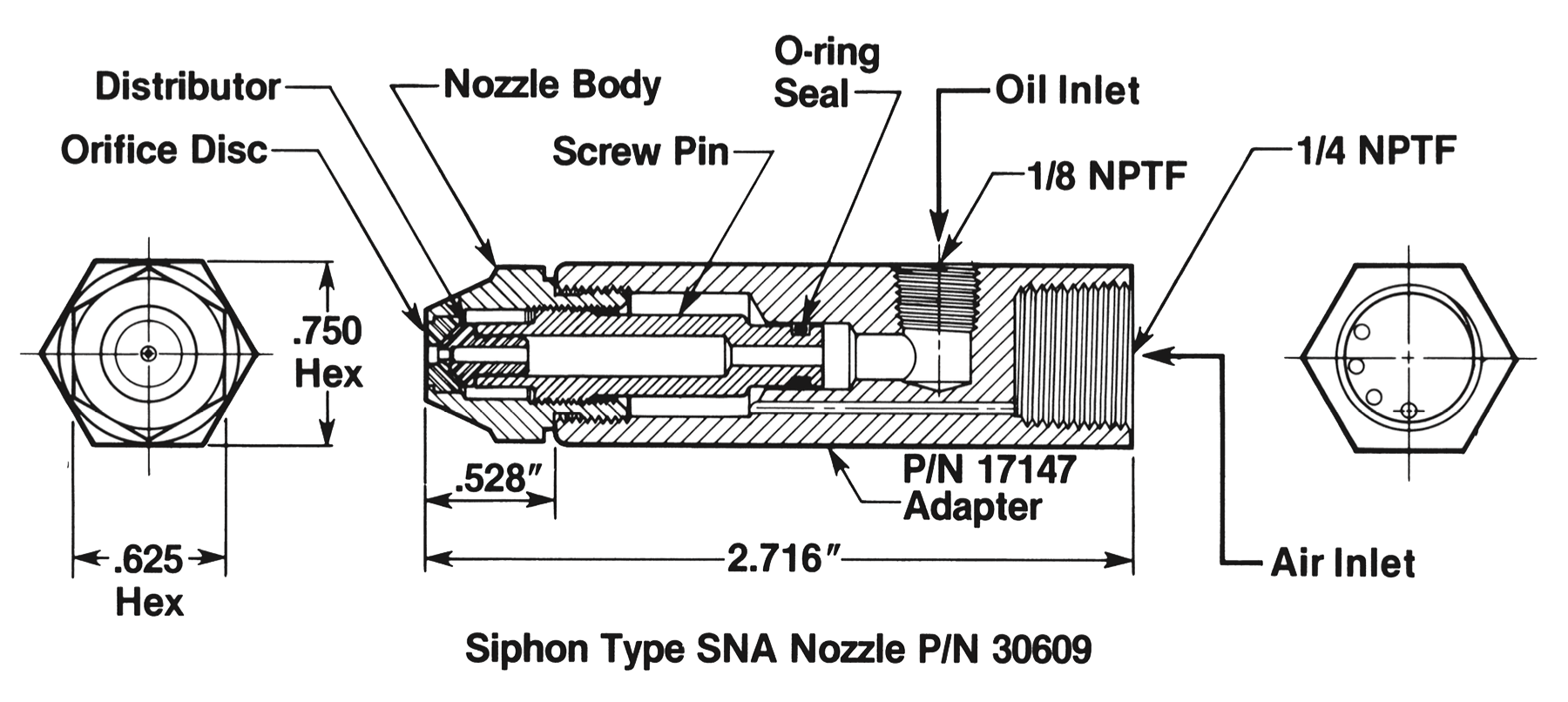
The Delavan SNA™ system functions by blending compressed air and fuel to achieve a superior mist. To maintain peak performance and excellent spray characteristics, ensure the application strictly adheres to the following technical parameters:
- Air Supply Overhead: The system’s external air compressor must be rated capable of providing at least 10% more air than the nozzle’s specified technical operational values.
- Hermetic Line Seals: All fuel and air line connections must be kept perfectly tight. Because the system relies on exact pressure boundaries, any leaks—especially in the fuel line—will have an immediate adverse effect on the nozzle’s fluid lift characteristics.
- Precision Lift Measurements: The physical lift orientation impacts behavior. For vertical nozzle installations, the lift distance must be measured precisely from the liquid level to the absolute end (face) of the nozzle. For horizontal installations, referencing the designated installation drawing layout is required to establish correct lift metrics.
Latest News
Keep up to date with the latest news from partners, events, our company and the wider industry.
Request a Consultation
Have questions about our spray-nozzles or fluid handling systems? Looking for help on a unique application? Need help with a budget estimate to determine overall equipment costs? Please don’t hesitate to reach out — we’d love to help.